Last Updated on 05/01/2025 by Kimberly
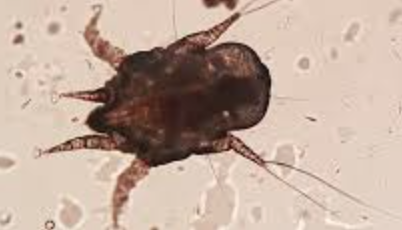
Dog fleas, scientifically known as Ctenocephalides canis, are small, wingless insects that survive by feeding on the blood of their hosts. These parasites are more than just a nuisance; they can cause serious discomfort and health issues for your furry friends.

Predominantly found in regions with warm and humid climates, dog fleas are common across the globe. They thrive in places where pets are present, as they rely on them for their survival. These pests are known for their incredible jumping abilities, allowing them to move quickly between hosts and environments.
There are a couple of misconceptions about dog fleas that often lead to confusion. For instance, some people think that fleas can fly due to their ability to jump significant distances. In reality, fleas are flightless. Another common myth is that fleas only infest pets. Fleas can indeed make their way into our homes through various means, such as on shoes or other animals, posing a broader risk.
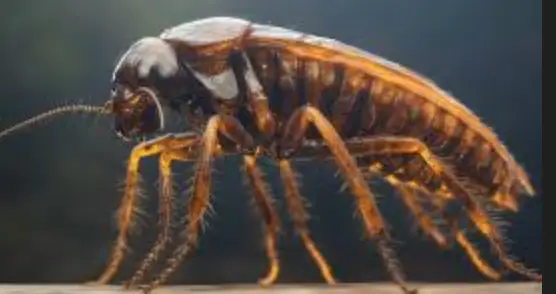
Understanding the basics about dog fleas is the first step in preventing an infestation and keeping your pet comfortable and healthy. Being aware of their habits and biology helps in choosing the right prevention and treatment methods.
Understanding The Dog Flea Life Cycle
Dog fleas have a fascinating yet troublesome life cycle that every pet owner should understand. Knowing these stages allows you to target fleas more effectively and prevent a full-blown infestation from taking over your home.
The life cycle of a dog flea consists of four main stages: egg, larva, pupa, and adult. The duration and success of each stage can vary depending on environmental conditions such as temperature and humidity. It all begins when adult fleas lay eggs on their host, typically a dog. These eggs then fall off into the surroundings, like your pet’s bedding or carpet, where they hatch into larvae.
Larvae feed on organic debris and flea droppings, which are often found in the same areas where eggs have fallen. After going through several molts, they spin cocoons and enter the pupal stage. The pupa stage is the most resilient, as pupae can remain dormant for weeks to months, waiting for favorable conditions to emerge as adult fleas.
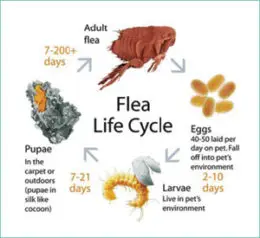
Adult fleas are the biting stage and the most problematic for your pet. They jump onto a host, feed on blood, and begin the cycle anew by laying eggs. This rapid and continuous cycle can lead to large infestations if not managed well.
Understanding this cycle helps in targeting fleas during their vulnerable stages. Regular cleaning of your home, frequent washing of pet bedding, and using appropriate flea control products during different stages can significantly reduce the flea population.
Learn About Dog Fleas vs. Cat Fleas: Are They the Same?
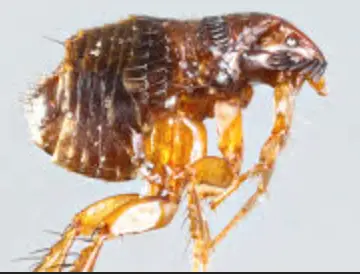
Dog fleas and cat fleas often get lumped together, but they do have differences. The dog flea (Ctenocephalides canis) and the cat flea (Ctenocephalides felis) are distinct species, though they look quite similar at first glance.
Cat fleas are actually more common and can infest both cats and dogs. Dog fleas, on the other hand, are less prevalent and primarily found on dogs. This subtle difference is essential for pet owners to understand, as it can influence the choice of treatment and prevention methods.
Identifying these fleas can be tricky without a microscope. However, knowing that cat fleas are much more likely to be the culprit can streamline your approach to dealing with an infestation.
Despite their differences, both types of fleas cause similar problems. They bite, cause itching, and can lead to allergic reactions or secondary infections. More seriously, fleas are vectors for various diseases, including tapeworms and Bartonella, the bacteria responsible for cat scratch fever.
For effective control, it’s crucial to treat all pets in the household, not just the one showing symptoms. Flea prevention products are usually broad-spectrum, tackling both cat and dog fleas. Regular vet check-ups and staying informed about the latest flea treatments can help you stay ahead of an infestation.
Can Dog Fleas Bite Humans?
While dog fleas primarily target animals, they aren’t particularly fussy and can bite humans if given the chance. These bites usually occur when a human comes into close contact with infested pets or environments.
Flea bites on humans typically appear as small red bumps that are intensely itchy. These bites often occur in clusters or lines and are usually found on the lower legs and feet, where fleas are most likely to jump. In addition to the itchiness, some people might experience an allergic reaction to flea saliva, leading to more severe symptoms like swelling and blisters.

Though fleas prefer pets, their bites are more than just an annoyance. They can transmit diseases and parasites, such as the bacteria causing cat scratch fever and tapeworms, making it important to address any flea problem promptly.
Preventing flea bites on humans involves taking comprehensive measures to manage flea populations. Regular grooming and treating your pet with veterinarian-recommended flea control products are essential. Additionally, maintaining a clean living environment by vacuuming carpets, washing pet bedding, and using flea sprays in the home can reduce the likelihood of flea bites.
Taking these precautions not only protects your pets but also ensures that your home remains a comfortable and safe space for everyone.
Preventing Dog Fleas: Best Practices for Pet Owners
Effective flea prevention starts with understanding and disrupting the flea life cycle presented earlier. Regular grooming is a fundamental first step. Brush your pet’s fur frequently to catch fleas early and reduce their population. Bathing your dog with flea shampoos can also help keep these pests at bay.
Using veterinarian-recommended flea control products is a must. Flea collars, topical treatments, and oral medications all serve as effective tools. It’s essential to follow the dosage instructions based on your pet’s weight and size to ensure their safety and the product’s effectiveness.

Maintaining a clean home environment is another key aspect of flea prevention. Regularly vacuum carpets and furniture to remove flea eggs and larvae. Washing pet bedding at high temperatures can kill any fleas, eggs, or larvae that may be hiding there. Consider using flea sprays or diatomaceous earth in areas where your pet spends most of their time.
Natural and DIY methods can also be part of your flea prevention strategy. Simple solutions like lemon sprays or vinegar rinses can deter fleas, though they might not be as potent as commercial products. Always consult with a vet before trying new methods to ensure they are safe for your pet.

An integrated approach, combining grooming, regular cleaning, effective flea treatments, and natural prevention methods, is often the most successful. Being proactive and diligent in these efforts will help keep your pet and home flea-free.
In Conclusion To Learning About Dog Fleas
I hope that you are able to better understand about the dog flea and what it’s capable of. Protecting your pups with either a natural flea medication or a chemical based one is key to keeping them at bay. You can follow the link below to learn how to get rid of fleas in your home, yard and pets, if you are already experiencing them in your home.
If you have any questions about any of the information in this article please leave it in the comments section so we can do our best to help you. If you have any information about fleas that you would like to share, please leave it in the comments section as well so we can all help each other better understand about the dog flea.
Thank you for visiting Fleas B Gone 🙂