

Last Updated on 05/19/2025 by Kimberly
A flea treatment for puppies might seem like a straightforward process, but when it comes to puppies, there are a few extra things to think about. Puppies are more sensitive and vulnerable, so choosing the right treatment is crucial. This section explores the nuances of treating fleas in young dogs and why it’s so important.
Adult flea treatments are not always suitable for puppies. Puppies have different metabolic rates and developing organs, which means they can react differently or adversely to medications meant for adult dogs. It’s super important to find treatments labeled safe for puppies to ensure their health isn’t compromised.
Diving into how these tiny parasites can impact your puppy’s health
fleas can cause more than just itchy skin. They can lead to serious health issues like anemia or skin infections if not treated promptly. Plus, a flea infestation can make your growing puppy uncomfortable and restless, affecting their overall development and happiness.
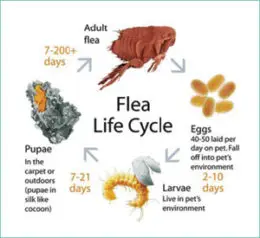
Understanding the life cycle of fleas can aid in managing them effectively. Fleas can quickly lay eggs and multiply, making timely treatment crucial to prevent a full-blown infestation. By knowing when and how to intervene, you can protect your puppy’s health without disrupting their growth.
Evaluating A Safe Flea Treatment for Puppies
Choosing the safest flea treatment for your young pup can make a world of difference in their health and comfort. It’s essential to understand which treatments are safe based on their age and weight, as introducing the wrong product can lead to unwanted side effects.
When it comes to flea treatments that are safe for young puppies, you need to pay close attention to labels. Many treatments are designed specifically for pups and are clearly marked with age and weight restrictions. These guidelines ensure that the product is gentle enough for your puppy’s developing system.
Weight benchmarks play a critical role in choosing the right flea treatment for puppies
Products have certain weight requirements, typically set in pounds, that indicate when they’re appropriate to use. Investing in a pet scale or consulting your vet can help you get an accurate reading, so you’re using the treatment safely and effectively.
Opting for an appropriate flea treatment also involves understanding how much your pup weighs and gauging their overall health. Puppies grow fast, and their weights change rapidly, meaning the medication that worked last month might need adjustment now. Regular weight checks are crucial for this reason.
No one size fits all when it comes to picking a flea treatment, so take into account not just their weight, but their age, breed, and any previous reactions to medications. Some breeds might have specific sensitivities, making it all the more important to choose carefully and consult with a veterinarian before proceeding.
Age Considerations for Monthly Flea Treatments
Determining the right age to start your puppy on a monthly flea treatment is crucial to ensure their safety and well-being. Most monthly flea treatments come with age recommendations, typically suggesting a start at 7 or 8 weeks. This age is considered safe as puppies begin to be more resilient and experienced minimal prior exposure to harsh chemicals.
Starting treatments too early can expose puppies to unnecessary risks.
Their organs aren’t fully developed, potentially leading to adverse effects from the medications. Such risks highlight why age guidelines exist and why adhering to them strictly is vital for puppy safety.
As your puppy grows, it’s important to gradually introduce flea treatments. Begin with milder options or those specifically vetted for younger dogs. By doing this, you give your puppy’s body a chance to adapt without overwhelming its developing system.
Keeping a consistent treatment schedule once your puppy reaches the right age is also key. Since fleas can infest quite quickly, sticking to a monthly regimen is essential. This regular schedule helps in avoiding gaps that could allow fleas to return and ensures your puppy remains comfortable and healthy.
Monitoring your puppy’s response to their first few treatments aids in understanding how well they are tolerating the product. If any signs of discomfort or adverse reactions appear, consulting with a veterinarian promptly is advisable. By doing this, any potential issues can be addressed immediately, ensuring your puppy remains healthy.
Best Flea Treatments for Puppies Under 7 Weeks
Finding the best flea treatment for puppies under 7 weeks can be a bit tricky, given their heightened sensitivity and ongoing development. At this tender age, many standard treatments are not recommended due to the potential for harmful side effects.
One effective approach is to focus on alternative methods that prioritize safety. Gentle flea combs can serve as a non-invasive way to remove fleas without using any chemicals. Regular combing sessions can help control and reduce the flea population on your puppy.
Bathing your puppy with a mild, puppy-safe soap can also help remove fleas. While it’s essential to ensure the bath is gentle and doesn’t disturb the puppy’s natural skin oils, regular cleaning can aid in keeping fleas away. Always opt for soaps specially formulated for puppies to avoid unwanted reactions.
For those seeking non-chemical routes, using herbal or natural flea deterrents can be an option. Ingredients like lemon water or diluted vinegar can be used sparingly to help repel fleas. However, it’s essential to test any new substance on a small area first to watch for any adverse reactions.
Being cautious with any treatment and discussing options with a vet can provide additional guidance. Veterinarians offer invaluable advice tailored to your puppy’s specific needs, ensuring its growth and health aren’t compromised while keeping fleas at bay.