Last Updated on 05/01/2025 by Kimberly
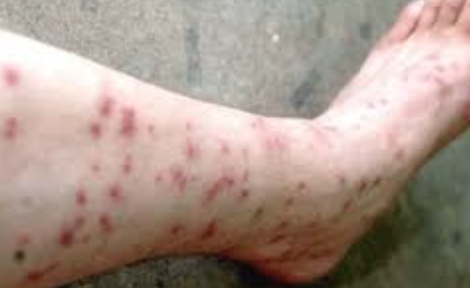
Flea bites can be a real nuisance. They cause itchy red bumps, often in clusters, especially around the ankles and legs. If you notice these symptoms, it could mean you have cat fleas on you. Cat fleas on humans is not uncommon, fleas are just looking to eat and they may prefer pets but humans work for them to.
It’s essential to inspect your home carefully. Fleas thrive in carpets, bedding, and furniture. Check your pet’s usual hangouts for signs like flea dirt—tiny black specks that are flea droppings.
Cat Fleas On Humans – How To Know If It’s A Flea
Sometimes, you might actually see the fleas. These tiny, reddish-brown insects are quick and jumpy. Catching sight of one on your skin or clothes can confirm your suspicion.
If you’re finding bites but can’t see fleas, consider wearing light-colored clothing. It makes spotting the small pests easier.
From my experience, a handy tool for detection is a flea comb on your pet. Combing through their fur and finding fleas or flea dirt usually means they’re in your living space.
Health Risks of Cat Fleas On Humans
Cat fleas can do more than just annoy—they can actually impact your health. While humans aren’t their preferred hosts, fleas will bite if they get the chance. These bites can lead to various skin problems.
One common issue is an allergic reaction, formally known as flea allergy dermatitis. This condition can cause intense itching, redness, and even secondary infections if the skin is broken from scratching.
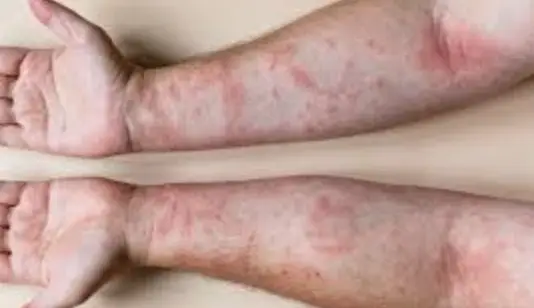
Besides skin problems, flea bites can sometimes cause more severe reactions. Some people might experience hives or a more general allergic reaction that includes difficulty breathing, though this is rare.
Medical professionals point out that the real danger comes from scratching the bites. This opens up your skin to potential bacterial infections, which can become serious if not treated properly. Keeping the bite area clean and using antiseptic creams can help reduce this risk.
To minimize scratching, use anti-itch creams or calamine lotion. These can provide relief and prevent further irritation. Keeping your fingernails short is another simple way to avoid breaking the skin.
Do Cat Fleas On Humans Transmit Diseases?
Cat fleas aren’t just a nuisance; they can also act as a vehicle for disease transmission. While it’s less common for humans to contract diseases from fleas, it’s not impossible.
One of the notable diseases is cat scratch fever, caused by Bartonella bacteria. Fleas transmit these bacteria to cats, and an infected cat can then pass it to humans through bites or scratches. This can lead to swollen lymph nodes, fever, and fatigue.
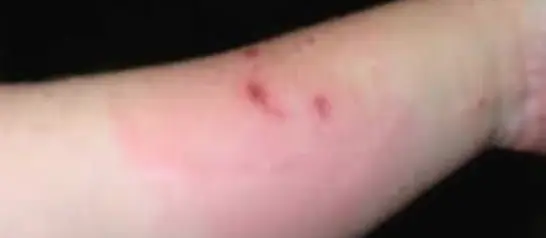
Another disease to be aware of is murine typhus. Though it’s rare, this bacterial infection can spread from fleas to humans. Symptoms include fever, headache, and sometimes a rash. Murine typhus is treatable with antibiotics but needs to be diagnosed promptly.
Beyond specific diseases, flea bites themselves can cause discomfort and complications. Bites can become infected if scratched excessively, and some individuals might develop allergic reactions.
Early identification and treatment can make a big difference. If you suspect a flea-borne illness, it’s best to consult a healthcare provider. Recognizing the symptoms early on helps in managing any potential complications.
Preventing Cat Flea Infestations
Keeping cat fleas at bay takes some effort but is definitely worth it. Regular pet care is your first line of defense. Bathe and groom your pets frequently, and consider using vet-recommended flea treatments or collars. These can significantly reduce the risk of fleas making their way into your home.

Vacuuming is more powerful than you might think. Fleas love to hide in carpets, rugs, and upholstery. Regular, thorough vacuuming helps reduce their numbers. Don’t forget to empty the vacuum bag or canister outside to prevent fleas from escaping back into your house.
Wash your pet’s bedding and toys in hot water at least once a week. Fleas and their eggs can hide in soft fabrics, so consistent washing helps break their life cycle.
In addition to home cleaning, take advantage of both natural and chemical flea deterrents. Natural options include diatomaceous earth, which you can sprinkle on carpets, and essential oils like lavender and eucalyptus that fleas dislike. Chemical products range from sprays to spot treatments but always follow the instructions to ensure safety for pets and humans.

If an infestation gets out of hand, professional pest control is a solid option. A trained exterminator can handle severe infestations with treatments that aren’t available over the counter. Don’t hesitate to seek their expertise if needed.
Everyday maintenance and quick response to flea sightings can keep your home and family flea-free. Keeping an eye on your pet’s behavior and your living environment is key to preventing these pests from taking over.
In Conclusion To What Are The Dangers Of Cat Fleas On Humans
Cat fleas can cause numerous problems for humans if they are not taken care of to eliminate a flea infestation. It’s not just cat fleas that can bite humans there are many varieties of fleas, including dog fleas, sand fleas, etc., that are attracted to humans for blood.
If you see flea bites on yourself or others in your home, take steps asap to control the problem and to eradicate fleas in your home or yard. There are a couple articles below to help you better understand the steps to take to do just that.
I hope that you found the information you were looking for about cat fleas on humans. If you have any questions or would like to share your own story about cat flea bites, please leave a message in the comments section. Sharing your own stories and information about getting rid of fleas can help others as well.
Thank you for visiting Fleas B Gone, have a great day 🙂